
Click here to return to Blog Post Intro
Jim Matuga: Why I wrote this book
Countless individuals feel overshadowed by the leadership narrative. They’re the ones working tirelessly behind the scenes driving success without seeking the limelight. This book is for them—for you. It’s about redefining success and celebrating the vital role of followership.
Followership is often misunderstood. Followership is a skill, a mindset, and a powerful force. Great followers drive missions forward, support their leaders, and create the foundation for success. Followership is not a passive act but an active, intentional process.
Humble influence demonstrates how humility, empathy, and adaptability are the cornerstones of great followership.
Followership is not simply “supporting” leadership; it is about amplifying it.
True greatness lies not just in leading well, but in following with purpose, humility, and a commitment to something greater than oneself.
What this book is about
It requires humility to serve, courage to speak up, and wisdom to act with purpose. It is the strength of true followship that matters. Just as Joshua’s years of faithful service under Moses prepared him to lead the Israelites into the Promised Land, your own season of followership is not a waiting room—it’s a crucible for growth.
Great followership is as much a skill as great leadership. It requires:
- Humility to serve without seeking a spotlight,
- Courage to challenge decisions respectfully when necessary,
- Loyalty to the mission and to the leader even during difficult times, and
- Proactivity to take initiative and contribute meaningfully.

This verse highlights the Biblical foundation of followership reminding us that submission to leadership is an act of faith and trust in God’s divine order.
At the heart of every great leader is a follower who once listened, observed, and grew. Jesus was at once—the greatest leader of all time, but also the greatest follower of all time. By living as both the ultimate follower and leader, Jesus redefined greatness not as a quest for power, but as a journey of service showing that to lead well, one must first follow faithfully.
The Importance of Following
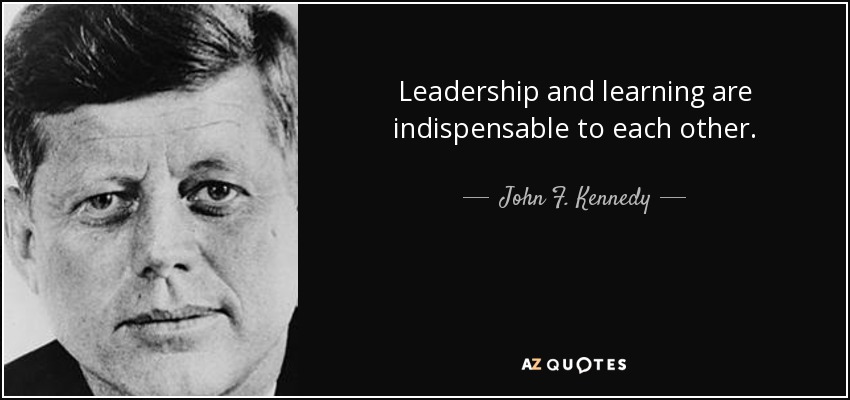
Joshua is celebrated as one of the greatest leaders in history. He led the Israelites into the Promised Land. Joshua’s leadership journey began with obedience, patience, and years of followership. For forty years, Joshua served under Moses. Joshua wasn’t merely a spectator—he was actively learning and contributing.
Key takeaways from Joshua’s journey include:
- Strength in Humility: Just as Joshua faithfully served Moses, embracing followership as an opportunity to grow
- Power of Observation: By observing seasoned leaders, they gained insights that would later inform their own leadership styles
- Value of Patience: Like Joshua’s years in the wilderness, these periods of preparation shaped their resilience and readiness for leadership
Every leader’s journey begins with a willingness to follow, learn, and grow.
The Law of Following
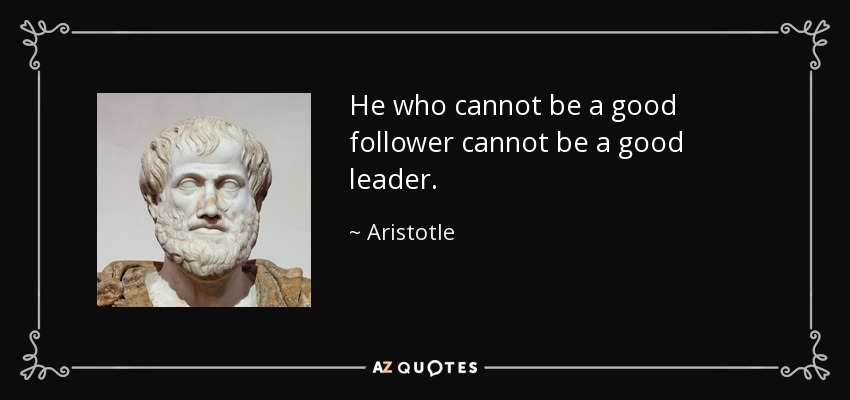
Leadership often commands the spotlight, but followership drives the outcomes.
Effective followership requires:
- Commitment to the mission.
- Critical thinking to ensure that followers contribute constructively, analyzing situations, identifying risks, and providing feedback to improve decision-making.
- Reliability as leaders depend on their team to deliver results consistently, meet deadlines, and maintain high standards.
- Adaptability that allows followers to adjust to changing circumstances without losing sight of the overarching mission.
- Self-leadership, which sets great followers apart because they anticipate needs, solve problems, and take initiative without waiting for instructions.
Ineffective followership can manifest as:
- Blind obedience—failing to question flawed decisions.
- Complacency—taking a passive role and waiting for others to act.
- Resistance—undermining leadership or fostering division.
To embody the law of following, these practices must be adopted:
- Align with the mission—learn and understand the leader’s vision and find ways to contribute meaningfully.
- Communicate proactively—share updates, offer insights, and voice concerns constructively.
- Take ownership—treat the team’s goals as your own and take responsibility for your work toward solutions that align with the greater good.
- Celebrate collective success—recognize that the team’s achievements are more important than individual credit.
The law of following reminds us that leadership and followership are two sides of the same coin. Success depends not just on the leader’s vision but on the dedication, insight, and actions of those who follow.
Great leaders may get the credit, but great followers make the difference.
The Often Overlooked Power of Followers
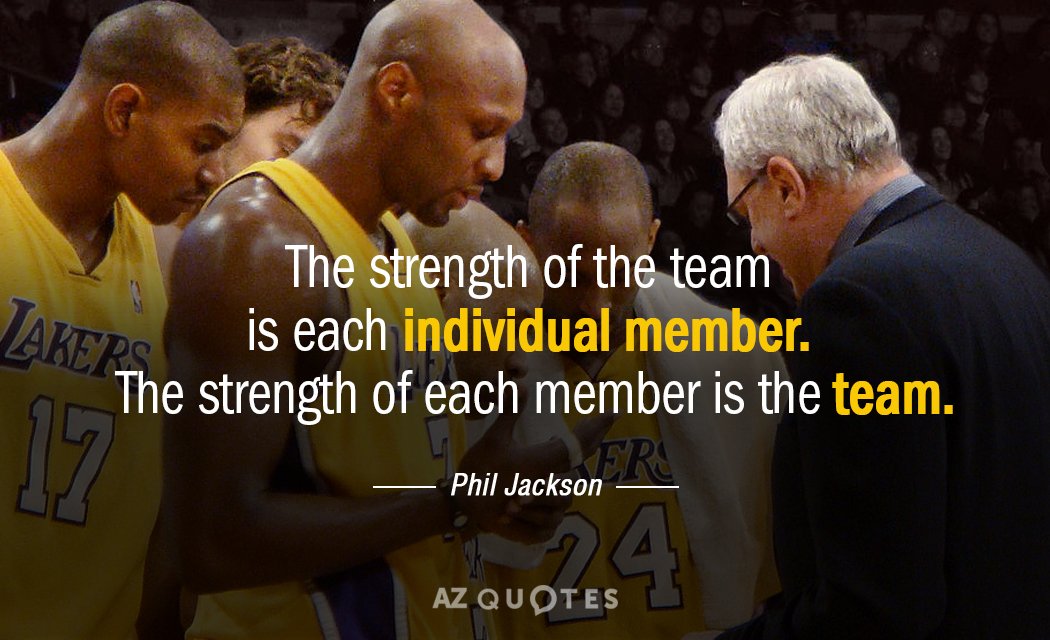
Whether in a corporation, a nonprofit, or a community project, the success of a leader’s vision depends on followers who understand the importance of their roles. While leaders set the vision, it is followers who execute it, turning strategy into action, offering critical feedback, and fostering collaboration within teams.
Commitment to the mission is paramount. Followers do more than complete tasks—they are deeply aligned with the organization’s purpose, understanding how their efforts contribute to the bigger picture.
Critical thinking is a hallmark of great followers. They question decisions when necessary, offering constructive feedback that strengthens outcomes. Reliability is an indispensable trait. Leaders need followers they can count on to meet deadlines, deliver high-quality work, and uphold their commitments.
Adaptability is just as crucial. Great followers know how to pivot when circumstances shift, maintaining their focus on the mission even when the path to achieving it changes. They foster collaboration, building trust and supporting peers to create a culture where everyone thrives.
The relationship between leaders and followers is not a one-way street—it is a reciprocal partnership. Effective followers empower their leaders by providing support, insight, and ideas.
Organizations that overlook the importance of followership risk: reduced collaboration, poor decision-making, and low morale.
Followers are not just cogs in a machine—they are the driving force behind success.
Understanding the Why
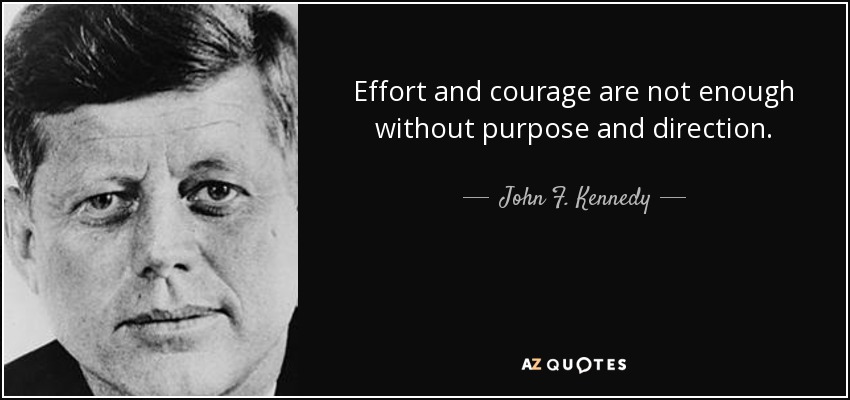
Finding your “why” requires a deep sense of introspection and intentionality. It begins with reflecting on the moments when you’ve felt most fulfilled in your work. Understanding your values is another essential step in uncovering your purpose. Your values act as a compass, guiding your decisions and actions. When you align your work with these core principles, you create a sense of harmony and meaning.
Purpose often comes into focus when you consider the impact of your work. Ask yourself, “Who benefits from what I do?”
Discovering your “why” is not a one-time task but an ongoing process of reflection, connection, and growth. By examining what drives you, understanding your values, considering your impact, and aligning with a greater mission, you can uncover a deeper sense of purpose in both your work and your life.
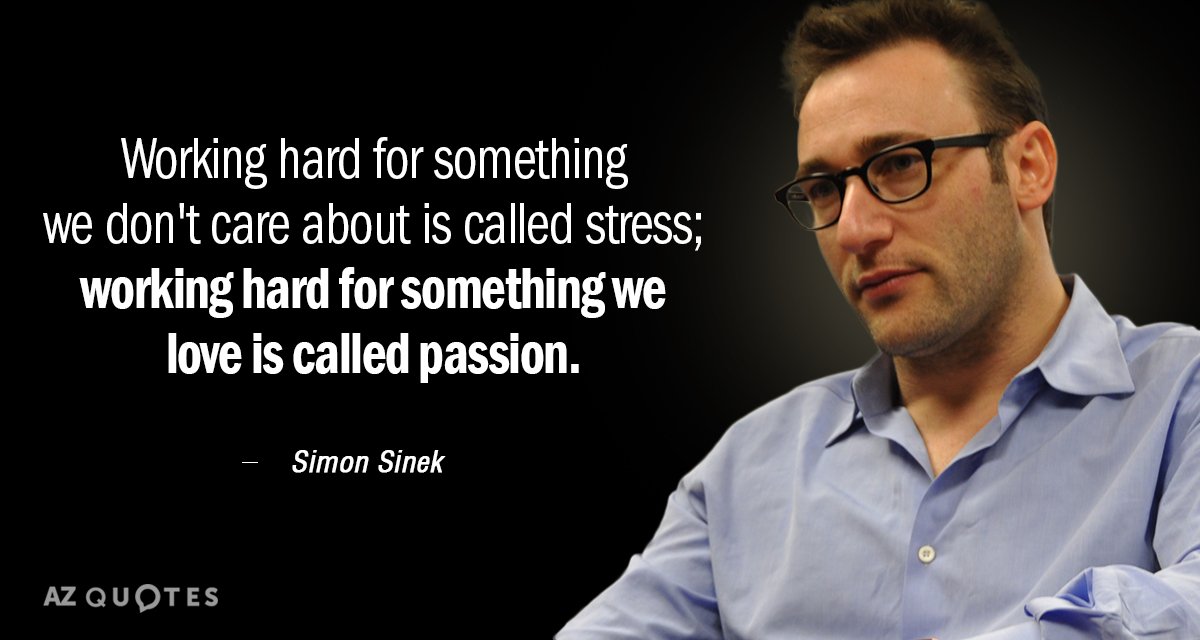
Understanding your “why” connects your daily tasks to a greater purpose, fueling motivation and creativity.
As Simon Sinek reminds us, “People don’t buy what you do; they buy why you do it.” When you connect with your purpose, you inspire not just yourself but those around you, creating a ripple effect of impact and fulfillment.
Breaking the Myth of Intuitive Followership
Followership is not passive. It’s an active, intentional process that requires initiative, critical thinking, and problem solving.
Many people mistakenly assume that followership is simple—a matter of carrying out orders and staying in the background. It’s often seen as the easier counterpart to leadership, requiring little effort or thought. But this couldn’t be further from the truth. Effective followership is a skill that demands deliberate effort, reflection, and practice.
Great followers must cultivate the abilities that allow them to excel in their roles. They actively engage with their leaders, offering feedback, sharing insights, and taking initiative to advance the mission.
Active followership is not about replacing leadership; it’s about enhancing it.
Simon Sinek said, “Leadership is not about being in charge. It is about taking care of those in your charge.” His insight, “The role of a leader is not to come up with all the great ideas. The role of the leader is to create an environment in which great ideas can happen,” underscores the value of active followership.
Leaders succeed when followers engage proactively, driving progress through their own contributions. By breaking the myth of intuitive followership, individuals unlock their potential, strengthening teams and creating lasting impact in their organizations and communities.
Followership isn’t just about doing what you’re told—it’s about actively and intentionally contributing through initiative, critical-thinking and problem-solving. By cultivating the skills of active followership, you can transform your role and unlock your potential.
Many Communicate – few connect
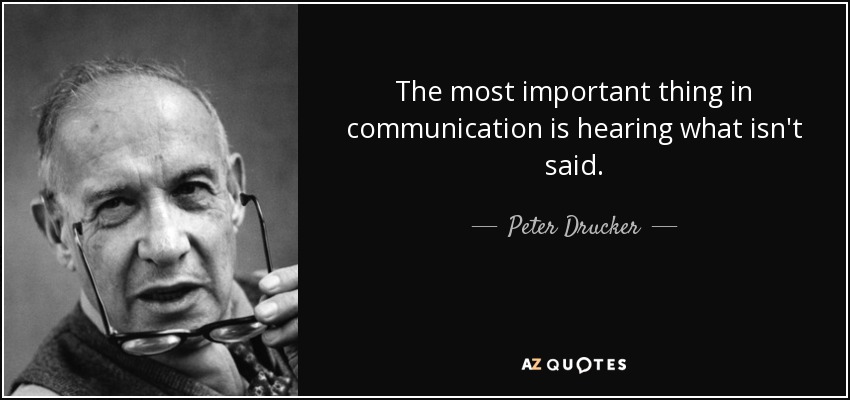
Strong connections between leaders and followers are the foundation of trust, collaboration, and success. Connection goes beyond surface-level rapport; it’s about fostering relationships that enable open communication, mutual respect, and shared goals.
At its core, connection fosters trust, the indispensable currency of leadership and followership.
Collaboration naturally strengthens in a culture of connection. Followers who feel genuinely connected to their leaders and peers are more likely to contribute their skills and ideas toward shared goals.
Connection happens when we practice empathy, communicate proactively, find common ground, and invest in the relationship.
While connection is vital, it must be balanced with professionalism. Here’s how to maintain this balance:
- Respect boundaries—avoid becoming overly personal or informal, especially in workplace settings.
- Focus on the mission—keep your relationship grounded in the organization’s goals and shared purpose.
- Communicate expectations—be clear about your own boundaries and respect those of your leader.
John C. Maxwell’s insight, “Connecting is the ability to identify with people and relate to them in a way that increases your influence with them,” underscores the importance of fostering meaningful relationships. Whether you’re a leader or a follower, connection is the foundation of trust, collaboration, and mutual growth. Connection transforms teams and organizations by building trust, encouraging open communications and boosting morale and engagement.
Consider John C. Maxwell’s quote, “People don’t care how much you know until they know how much you care.”
How Close Should You Get?
Proximity doesn’t automatically create trust. It’s the intention behind your presence that builds it. – Simon Sinek
The leader-follower relationship exists on a spectrum of proximity, ranging from distant to overly close. When the relationship is too distant, a lack of connection can breed misunderstandings, mistrust, and disengagement.
On the other hand, an overly close relationship between a leader and a follower can blur boundaries, leading to perceptions of favoritism. This proximity May also compromise the followers ability to provide honest feedback, as the lines between personal and professional interactions become unclear.
The ideal relationship lies in the middle of the spectrum. In this balanced dynamic, trust, communication, and mutual respect thrive, fostering a productive and supportive environment. At the same time, clear boundaries are maintained, ensuring that both leader and follower can contribute effectively to the team’s success.
A close-but-professional relationship fosters mutual confidence, making it easier for leaders and followers to share insights and work through challenges together.
Followers who work closely with leaders must manage proximity intentionally to balance trust, professionalism, and team dynamics.
Focus on Them, Not You
In every high-performing team, there is a common thread: the individuals involved prioritize the team’s success over their own.
Our natural instinct is to focus on personal goals and recognition. Yet the most effective followers are those who turn their attention outward—to their leader, their peers, in the collective mission.
Practicing empathy is essential for building trust and fostering a positive team environment. Taking the time to understand the challenges others face and approaching interactions with compassion can make a profound difference. Simply listening to a colleague’s concerns or offering support during a difficult moment builds trust and promotes culture of collaboration and mutual respect.
Shifting your focus outward has the following benefits:
- Builds trust.
- Strengthens collaboration.
- Elevates performance.
- Develops leadership qualities—by serving others, you cultivate empathy, communication, and problem-solving skills—key traits of effective leaders.
It is important to set boundaries, prioritize self-care, and communicate your needs.
John C. Maxwell wrote, “Teamwork makes the dream work, but a vision becomes a nightmare when the leader has a big dream and a bad team.” He went on to write, “Leadership is not about titles, positions, or flow charts. It is about one life influencing another.” This encapsulates the essence of selfless followership. By focusing on the mission and the people around you, you not only elevate your team but also grow as a leader in your own right
Effective followership is about prioritizing others their needs, the team’s goals, and the organization’s emission by focusing outward you build trust, strengthen relationships, and elevate your impact.
How to Gain Substantial Empowerment
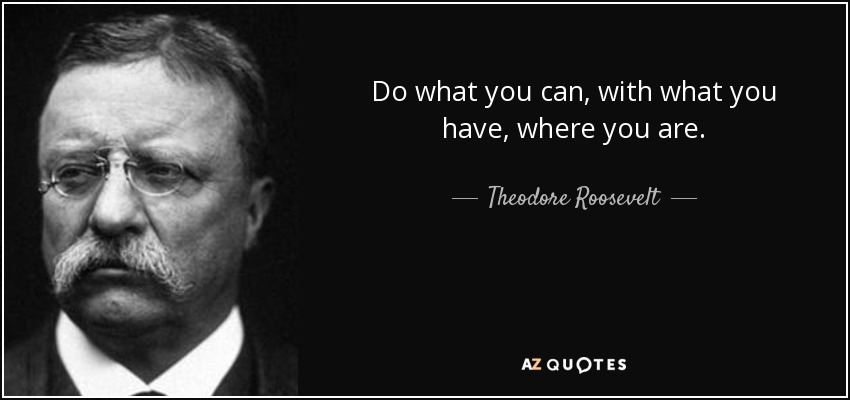
Empowerment often feels like something granted by those in authority—a privilege bestowed on a select few. But in reality, empowerment is something followers can actively cultivate. It’s not about waiting for permission but about demonstrating initiative, accountability, and value.
Empowerment is the process of gaining the confidence, trust, and authority to take meaningful action. For followers, empowerment means: being trusted by your leader to make decisions, taking ownership of your role and responsibilities, and influencing outcomes and creating opportunities for success. Empowerment isn’t something that simply happens—it’s actively earned and cultivated.
To earn empowerment, focus on these pillars:
- Take initiative—identify problems and offer solutions.
- Demonstrate value—deliver results, seek feedback and use it to improve.
- Build trust— focus on communicating openly and honestly with your leader, showing reliability and integrity in your actions, and collaborating effectively with your peers.
Empowerment is a journey, not a destination. With each step, you build confidence, expand your influence, and unlock new opportunities for growth and success.
To Judge or Not to Judge

Whether it’s choosing the best course of action, providing feedback to a leader, or navigating team dynamics, good judgment is a hallmark of effective leadership. How do you know when to speak up and when to stay silent?
Judgment is a double-edged sword. Used wisely, it can foster better decisions, strengthen relationships, and improve outcomes. Used poorly—or withheld altogether—it can cause conflicts, erode trust, or lead to missed opportunities.
Trust in the leader’s authority is a cornerstone of effective followership. Once a decision is made, even if it differs from a followers perspective, it’s important to align actions with the team’s objectives.
When risks are present, thoughtful judgment becomes even more critical. Decisions that carry potential negative consequences require careful assessment, weighing the risk, and offering insights to mitigate challenges. This proactive approach not only safeguards the team but also reinforces the followers’ value as a trusted contributor.
Good judgment is equally important when feedback is needed. Constructive input helps leaders refine their approach, adjust strategies, and ultimately make better decisions. Providing feedback in a thoughtful and respectful manner fosters an environment where continuous improvement becomes a shared responsibility.
John C Maxwell’s insight, “The difference between average people and achieving people is their perception and response to failure,” reminds us that judgment is not just about making the right decisions but learning and growing from every experience.
Judgment is an essential skill for effective followership. By exercising thoughtful, and formed judgment, followers can support their leaders, navigate challenges, and drive the team’s success.
Who Cares Who Gets the Credit?
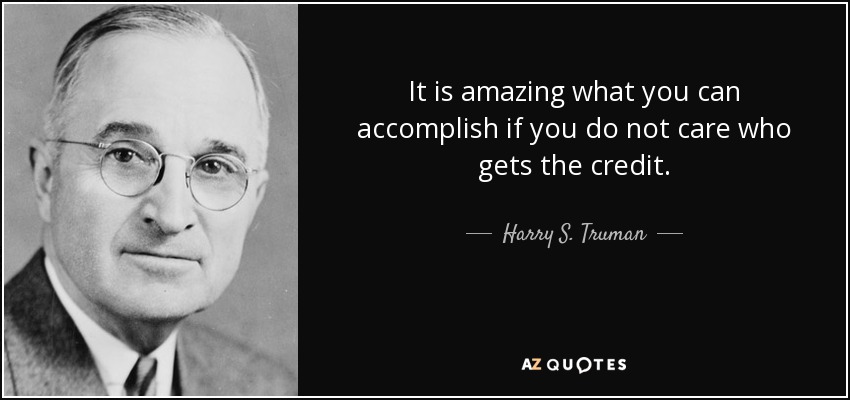
One of the most overlooked aspects of followership is humility. By letting go of the need for personal recognition, followers not only foster trust and collaboration but also position themselves as indispensable contributors to their teams and organizations.
Recognition is a natural human desire. Yet, the pursuit of credit can become problematic when it distracts from the mission, creates competition, or erodes relationships.
When followers prioritize the team’s success over personal recognition they strengthen relationships, enhance team performance, and build leadership skills.
At the heart of humility lies the ability to prioritize the mission over personal accolades. A hallmark of humility is celebrating others. Simon Sinek’s insight captures the essence of this practice: “The goal is not to be perfect by the end. The goal is to be better today.” Humility is not about diminishing yourself; it is about lifting others.
Acknowledge contributors publicly, using the inclusive language of “we” instead of “I.” It reinforces the team’s role in success. Recognizing specific contributions shows genuine appreciation and fosters trust. Expressions of gratitude, thanking individuals for their support, collaboration, and unique contributions to the team reinforces the “we.” These strategies will strengthen the team’s morale and position you as a trusted collaborator.
Humility is contagious. When you model selflessness and celebrate others, you inspire those around you to do the same. Humility is the foundation of strong followership and leadership alike. By intentionally recognizing others, focusing on the greater emission, and creating space for shared success, followers build trust, inspire their teams, and strengthen the fabric of the organization. True influence comes not from seeking the spotlight but from helping others shine.
Humility isn’t about denying your worth—it’s about celebrating the contributions of others and prioritizing the team’s success. By sharing credit, you build trust, strengthen relationships, and foster a culture of collaboration.
It’s OK to Be You

Knowing yourself provides a foundation for meaningful engagement with your team and leader. Being yourself isn’t just acceptable—it’s essential.
Authenticity means embracing your unique qualities, values, and strengths. It’s about showing up as your true self, not as a version of what you think others expect. Authenticity matters because: it builds trust, enhances collaboration, drives fulfillment, and encourages innovation.
Open communication—sharing ideas and perspectives honestly—is a natural extension of authenticity. Authenticity starts with self-awareness. Who are you? Reflect on your values, strengths, and passions.
While authenticity is crucial, it must be balanced with adaptability. The balance of authenticity and adaptability is the mark of a strong follower. You can achieve that balance by being respectful.
Flexibility is key in followership but adapt in ways that align with your values and adapt without losing yourself. Use your unique qualities to contribute to the team’s mission and focus on shared goals.
Jim Collins saying, “True leadership only exists if people follow when they have the freedom not to,” underscores the role of authenticity and inspiring others.
When you bring your genuine self to your work, you encourage your team to do the same, creating a culture where trust and collaboration thrive.
Authenticity isn’t just okay—it’s essential. By being yourself, you bring unique value to your team, build trust, and find greater fulfillment in your work.
Working with All Your Heart

It’s easy to view certain jobs as more meaningful than others. Paul’s instruction in Colossians 3:23 is both simple and profound. He calls us to approach every task—whether mundane or monumental—as if we are doing it directly for the Lord.
When we approach our tasks with diligence and view our efforts as offerings to the Lord, we embody the humility, commitment, and reliability that great followers demonstrate.
Jesus’ example reminds us that no work is beneath us, and no task is too small to bring glory to God. The same hands that later healed the sick and broke bread with thousands of people first worked with simple tools, crafting tables and chairs for ordinary people. In His humility and faithfulness, Jesus dignified the ordinary and transformed it into an act of worship.
As we embrace the truth of Colossians 3:23, may we find joy, purpose, and fulfillment in our work, knowing that everything we do can reflect God’s glory and serve His greater plan.
Here are four ways you live out working with all your heart, as working for the Lord:
- Dedicate Your Work to God—begin each day with prayer, offering your tasks to God and seeking His guidance.
- Strive for Excellence—whether your work is celebrated or unseen, commit to doing it well, knowing that it honors God.
- Look for Opportunities to Serve—view your work as a way to bless others, whether through your attitude, quality, or encouragement.
- Cultivate Gratitude—focus on the blessings in your work, no matter how small, and thank God for the opportunity to contribute.
The Greatest Follower: Jesus Christ’s Path to Ultimate Leadership
Throughout His life, Jesus Christ exemplified the principles of followership, demonstrating that the path to true leadership is paved with humility, obedience, and a servant’s heart. By perfectly embodying the qualities of an ideal follower, Jesus became the ultimate leader, inspiring billions across history and shaping the course of humanity.
Submission to a Greater Mission
One of the defining aspects of Jesus’ life was His unwavering submission to the will of God the Father. As he said in John 6:38, “For I have come down from heaven not to do my will but to do the will of Him who sent me.”
True followers prioritize the mission above themselves, trusting in a greater purpose.
Servant Leadership
Jesus led by serving, as demonstrated when He washed the disciples’ feet (John 13:12-17).
Followership rooted in service transforms leadership into an act of love and sacrifice.
Humility & Authenticity
Jesus never sought personal glory.
As Paul put it in Philippians 2:5-7, “In your relationships with one another, have the same mindset as Christ Jesus: Who, being in the very nature God, did not consider equality with God.”
Great leaders are grounded in humility and gain influence through their authenticity and integrity.
Empathy
Throughout His ministry, Jesus demonstrated unparalleled empathy. He wept with those who mourned, forgave those who sinned, and reached out to the marginalized.
Empathy bridges the gap between leaders and followers, creating trust and fostering connection.
Sacrifice for the Greater Good
The ultimate act of followership—and leadership—came when Jesus sacrificed Himself on the cross.

Sacrificial followership creates a legacy that inspires others to rise to their potential.
Empowering Others
Jesus didn’t just lead—He empowered His disciples to carry on His work. In Matthew 28:19, Jesus told them, “Go and make disciples of all nations, baptizing them in the name of the Father and of the Son and of the Holy Spirit.”
Great leaders empower their followers, trusting them to continue the mission and multiply its impact.
Transforming Others Through Followership
Jesus’ ability to lead sprang directly from His perfect followership.
The best leaders are those who have first mastered the art of followership.
Key Takeaway
In a world that often glorifies self-promotion and power, Jesus’ example reminds us that the greatest leaders are those who put others before themselves, serve with humility, and remain steadfast in their purpose. His life challenges us to rethink what it means to lead and to embrace the strength found in authentic, selfless followership.
By following His example, we can not only become better followers but also inspire others to greatness, fulfilling the higher calling of both followership and leadership.
Epilogue: Following from Within
The world is moved not only by the mighty shoves of the heroes but also by the aggregate of the tiny pushes of each honest worker. – Helen Keller
One truth shines brightly: followership is not a secondary role—it’s a cornerstone of success. The world often celebrates leaders, but it’s the quiet strength of followers that drives missions forward, builds bridges, and shapes legacies.
The Principles of Followership
- Start with the Mission
- Cultivate Relationships
- Balance Proximity with Professionalism
- Focus on Others
- Seek Empowerment through Action
- Exercise Sound Judgment
- Share the Spotlight
- Be Authentic
Humble Influence: A Movement
Remember the story of Joshua, who spent decades faithfully serving Moses before leading the Israelites into the Promised Land. Joshua’s story isn’t about waiting in the shadows—it’s about preparation. His followership forged the character and skills he needed to lead.
Followership is not a passive compliance but an active, intentional choice to align with a mission, support leadership, and contribute meaningfully. These principles can transform every aspect of life, from careers to families, faith communities to volunteer roles.
Those who master followership gain the skills and character needed to lead effectively.
The heart of Humble Influence is that true greatness lies not in seeking the spotlight but in serving with purpose. Followership is the foundation for all impactful work—whether in careers, families, faith communities, or beyond. It teaches us that every role matters, every effort contributes, and every follower has the potential to lead with grace when the time comes.
The future isn’t shaped by leaders alone—it’s shaped by followers like you.